
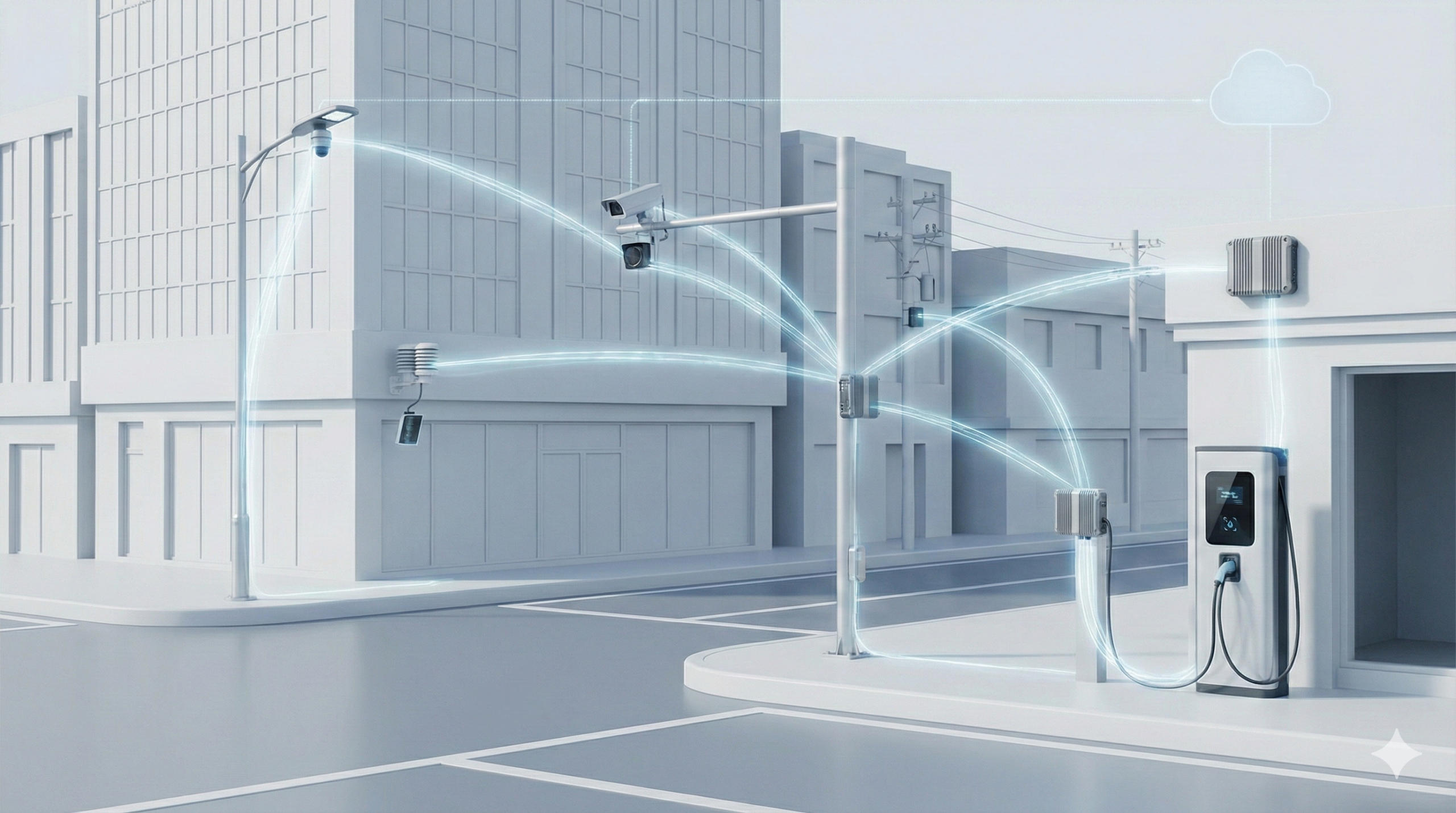
The cloud has been the go-to solution for almost every computing problem for years. Want storage? Cloud. Want processing power? Cloud. Want AI? Cloud.
This model is still valid, but it is no longer sufficient.
Because devices are becoming smarter and applications require immediate responses, more computing is being done closer to where the data is being created. This is known as edge computing, and in 2026, it is becoming a necessity.
What Is Edge Computing?
Edge computing refers to the processing of data near its source, as opposed to having all the data sent to a central cloud server for processing.
The “edge” could be:
- A smartphone
- A factory machine
- Retail camera
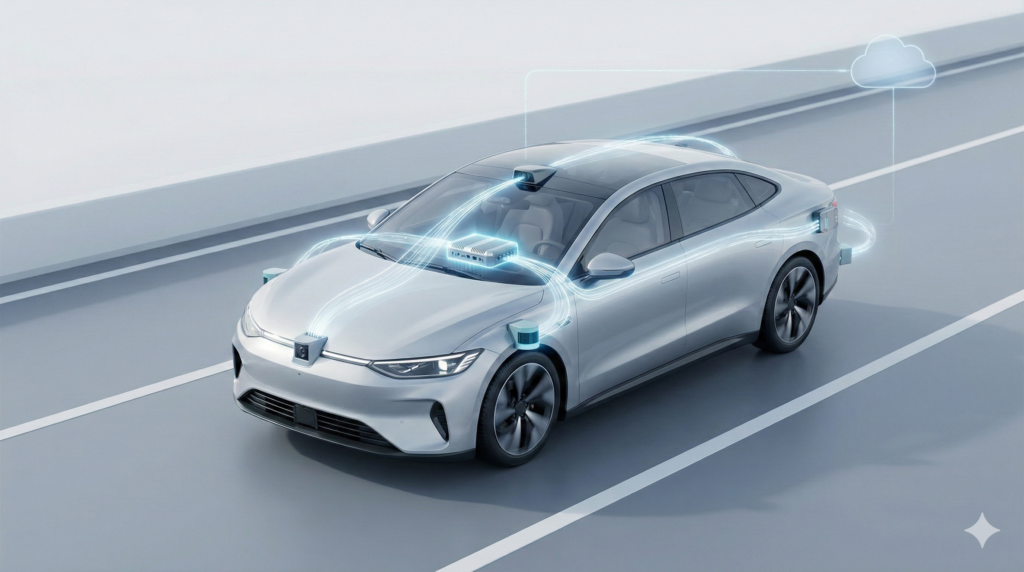
- A car
- A local gateway or micro data center
Rather than the data having to travel halfway around the world and back, it is handled locally or regionally.
The cloud is not going away. It simply stops doing everything.
How Edge Computing Works in Practice
Edge computing is a technology that
In a traditional cloud configuration:
- A device gathers data
- The data is sent to the cloud
- The cloud processes it
- The result is sent back
With edge computing:
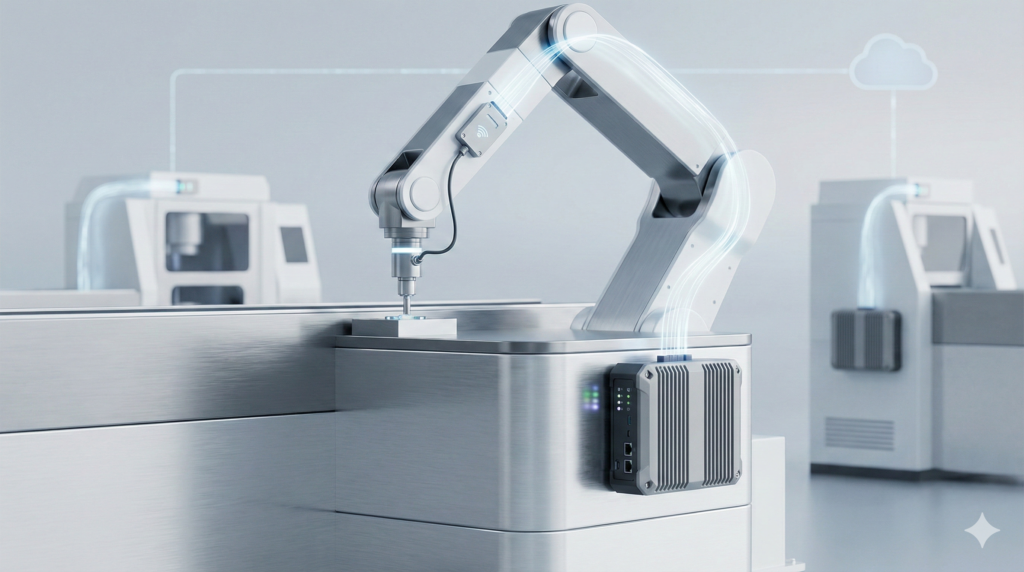
- The device or local system processes the data immediately
- Only summaries, alerts, or necessary data go to the cloud
This cuts down on delay, bandwidth consumption, and reliance on constant connectivity.
Why Edge Computing Matters More in 2026
Edge computing is not a new concept. What is new is that the time has finally arrived when the need is such that edge computing
1. Real-Time Applications Are Everywhere
Most of the applications that are considered modern cannot afford latency.
Examples include:
- Autonomous and assisted driving
- Industrial robotics
- Smart surveillance
- Augmented reality and mixed reality
- Healthcare monitoring
A delay of even one second can be unacceptable. Edge processing enables near-instantaneous response times.
2. AI Is Moving Out of the Data Center
AI models are no longer confined to large servers.
Smaller, optimized models are now able to run on:
- Phones
- Cameras
- Sensors
- Embedded systems
Running AI on the edge enables systems to:
- Trigger events instantly
- Trigger events
- Work offline
- Protect sensitive data
Many of the AI decisions in 2026 will occur before the data is ever viewed by the cloud.
3. Bandwidth and Cloud Costs Are Adding Up
It is costly to transmit raw data to the cloud.
Video streams, sensor data, and telemetry create massive amounts of data. Processing all this data centrally increases costs due to:
- Network costs
- Storage costs
- Calculate bills
Edge computing involves filtering and compressing data early, which reduces the cost of operation in the long run.
4. Reliability Can’t Depend on the Internet
Cloud-first is based on the assumption of stable connectivity. Reality
Factories, cars, hospitals, and other areas cannot have a loss of connectivity. Edge computing solutions continue to function even if the cloud connection is lost.
In many sectors, this is an obligation, not an advantage.
5. Data Privacy and Regulation Are Tighter
Having data local is more important than ever.
Edge computing can assist in the following ways
- Processing sensitive data on-device
- Reducing data transfers
- Encouraging regional rules on compliance
This is particularly important in the areas of healthcare, finance, and public infrastructure.
Common Edge Computing Use Cases in 2026
You will find edge computing in such areas as:
- Smart cities managing traffic and energy
- Retail stores analyzing in-store behavior
- Real-time defect detection by manufacturing plants
- Farms optimizing irrigation and crop health
- Logistics centers tracking and routing shipments instantly
In many of these instances, cloud-only solutions simply cannot provide the level of performance or cost efficiency that is required.
Edge vs Cloud: It’s Not Either-Or
This is not a replacement story. This is a balance.
- The edge handles fast local decisions
- The cloud is responsible for intensive training, analysis, and coordination
The edge can be thought of as having reflexes, while the cloud has long-term memory.
The best systems in 2026 are the ones that incorporate both.
What This Means for Businesses
For companies that are developing products in the current era Latency becomes a design choice Infrastructure decisions impact user experience directly Cost optimization begins at the architecture level Edge-first thinking results in simpler, faster, and more robust systems.
Final Thought
Edge computing is important in 2026 because the world does not operate on batch processing and delayed responses. As AI increasingly permeates physical systems and real-time environments, computing must necessarily move closer to reality itself. The future isn’t just in the cloud. It’s at the edge, right where decisions need to happen.